Case - PIBRA — Grupo Pinto Brasil
Pazzi: from pizza-making robots to a product ready to scale.
PIBRA (Grupo Pinto Brasil) had the hard part solved: robots making fresh pizza in minutes, 24 hours a day. What was missing was the software that connects the machines, the business and the maintenance — and lets them offer Pazzi without the stress. We came in as the technology partner to build it.
01
The idea
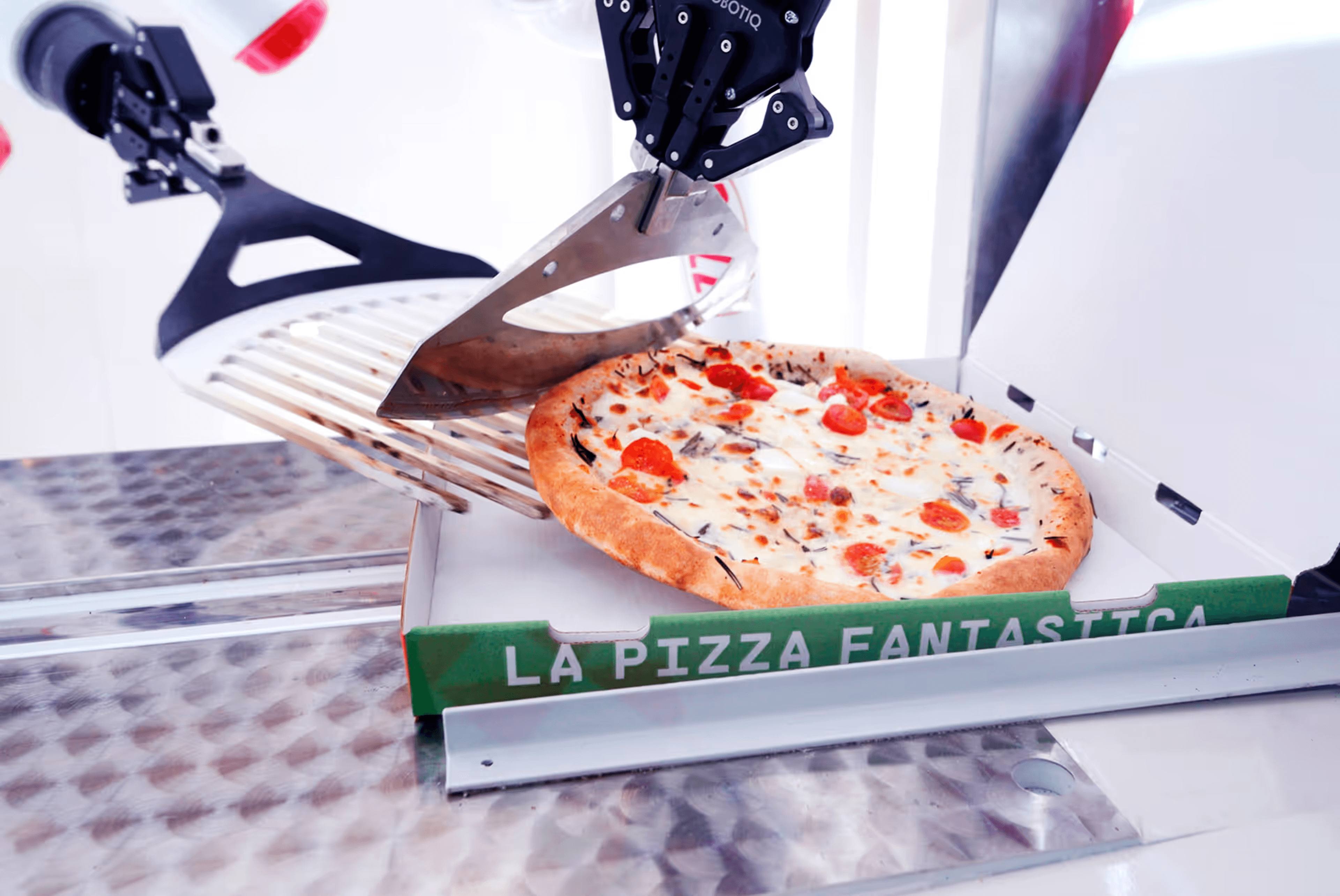
PIBRA, part of Grupo Pinto Brasil, had an engineering feat in hand: Pazzi, a machine that makes fresh pizza with robots, in a few minutes, at any time of day. The recipe — signed by a world pizza champion — and the hardware were solved.
But the goal was bigger than a machine. It was to offer Pazzi as a product — repeatable from site to site, running on its own, without depending on someone watching each machine.
02
The blocker
Between the hardware and a product you sell every day, the same thing is almost always missing: the software that connects the layers. Knowing, at any moment, whether a machine is up, stocked and clean. Making sure the order reaches the right machine. Coordinating maintenance before the customer notices the fault. None of this is done by hand when the goal is to grow. The pieces existed — machines, operations, maintenance — but they didn't talk to each other.
03
The path
We came in as a trusted technology partner: not to reinvent the machine, but to build everything around it. We started by mapping how the layers had to talk and proved the critical flow before extending it to the rest.
At the centre we placed a middleware (NestJS and PostgreSQL) that talks directly to the machines. It checks each one's health every ten minutes, switches pizzas on and off on schedule, processes orders and reacts in real time to the events the machines send — order, stock, state — logging everything that happens.
Beside it, a business server in Strapi is the administrative source of truth: configuration, clients, users, maintenance companies and tickets.
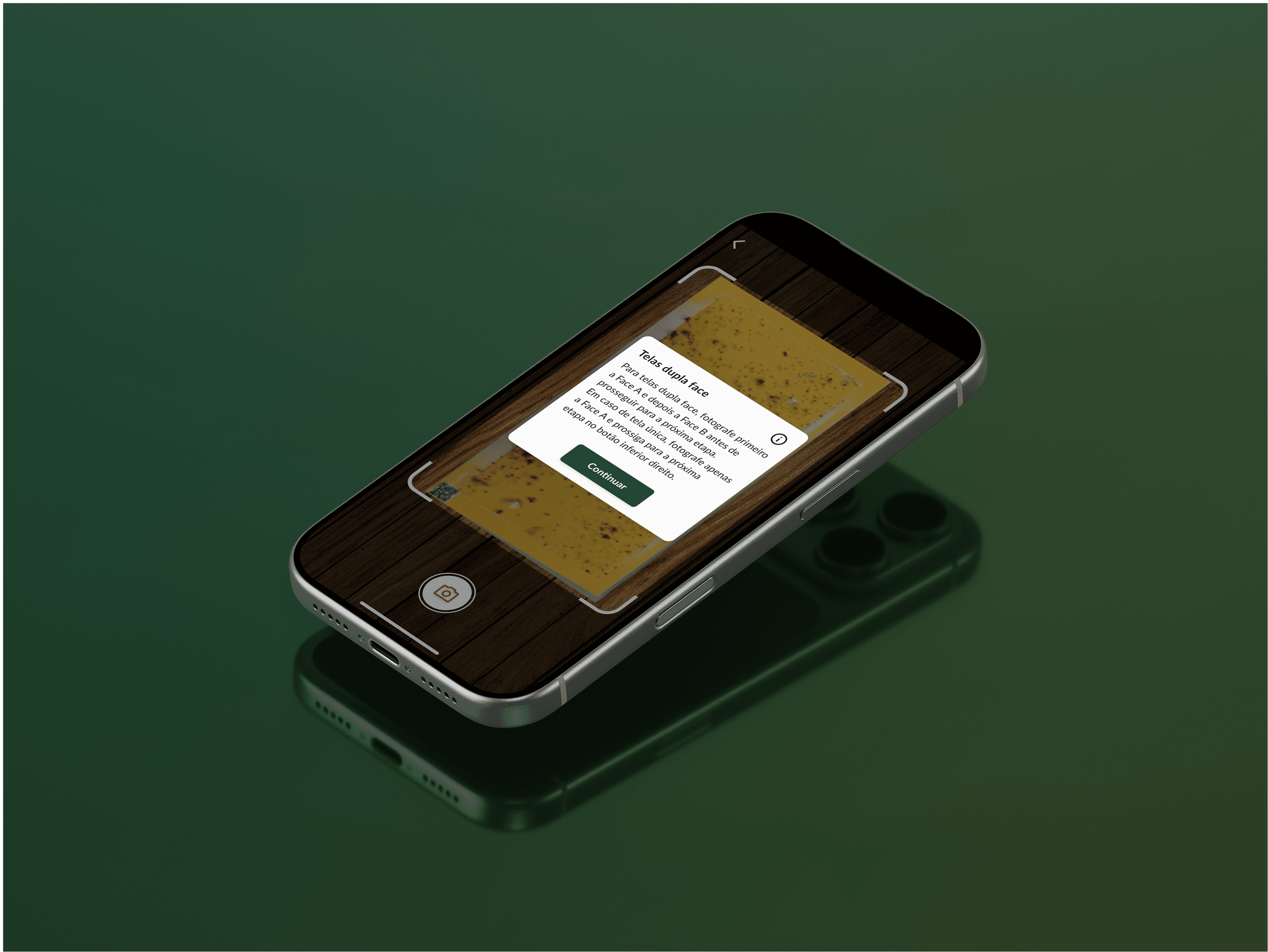
On top, four tools, one per role, so each person sees only what matters to them: administration, operating client, maintenance — which monitors the machines, sends commands and handles tickets — and the field operation of the Pazzo line, with menu, orders, stock, temperature and cleaning logs, updating by the second.
04
Today
Today PIBRA offers Pazzi as a product, not a prototype. The machines report on their own, operations are coordinated by role instead of by phone calls, and maintenance acts by priority, before the fault. We are the technology partner; the stress of running the technology is no longer theirs.
If you have a product that is an engineering feat but still depends on someone connecting the ends by hand, often what's missing isn't the product — it's the invisible software layer that makes it operable and repeatable. That's exactly the layer we built.